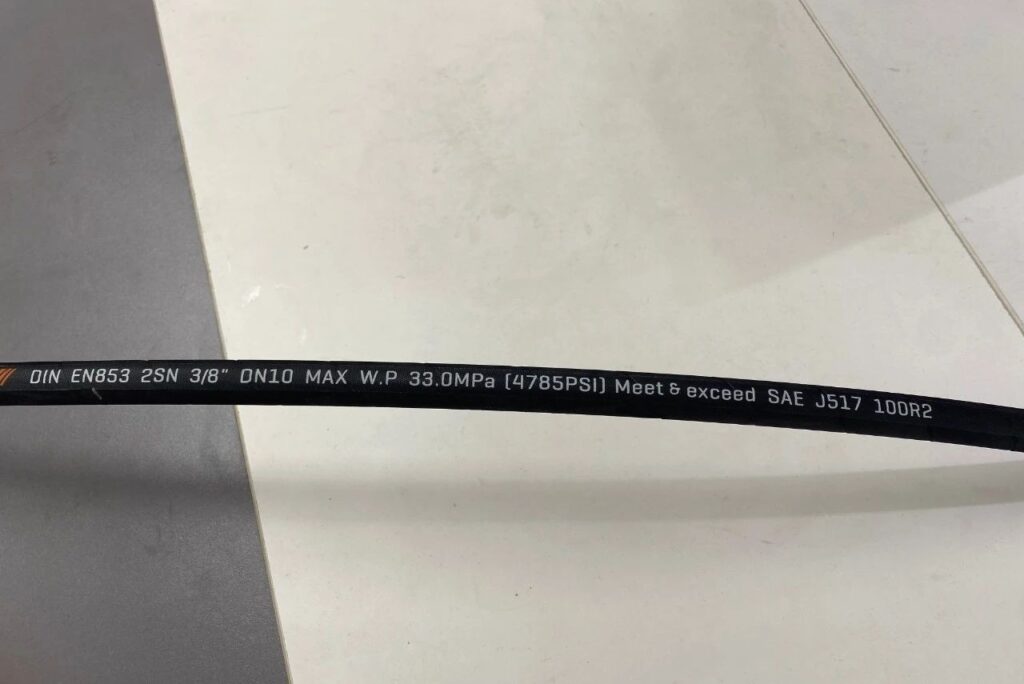
As a hydraulic industry veteran with over 25 years of experience in system design, troubleshooting, and field applications, I’ve navigated countless challenges where pressure units like MPa, Bar, and PSI create unnecessary confusion. From consulting on offshore oil platforms to optimizing manufacturing lines, I’ve seen how misunderstanding these can lead to equipment failures or safety risks. In this guide, I’ll break down the conversions in a way that’s both professionally rigorous and easy to grasp, drawing on established standards to build your confidence. If you’re searching for “hydraulic pressure unit conversion MPa to Bar to PSI” or “easy guide to pressure units in hydraulics,” this article is tailored for you—optimized with practical examples, memory aids, and authoritative insights.
Why These Pressure Units Confuse Hydraulic Pros—and How to Overcome It
Every time you check hydraulic hose specs, do those units—MPa, Bar, PSI—feel like obstacles? They’re all measuring pressure, just in different “outfits.” Don’t worry; this article will equip you with the tools to convert them effortlessly, so you never second-guess parameters again. We’ll focus on the core formulas, real-world context, and tips I’ve refined through decades in the field.
Key Conversion Formulas: The Foundation of Accuracy
Let’s start with the essentials. These conversions are based on precise definitions from reliable sources:
- 1 MPa = 10 Bar exactly
- 1 MPa ≈ 145 PSI (precisely 145.038 PSI for most engineering purposes)
- 10 Bar ≈ 145 PSI (logically derived from the above)
If that feels a bit abstract, here’s a relatable analogy I use in my workshops: Think of MPa as a “large bucket,” Bar as a “medium bottle,” and PSI as a “small can.” One large bucket fills 10 medium bottles, and that same bucket equals 145 small cans. Therefore, 10 medium bottles naturally match 145 small cans. This visualization makes the relationships intuitive and memorable.
Regional Roots: Why Multiple Units Exist in Hydraulics
These units aren’t random—they stem from “regional flavors” in engineering standards. MPa is the international “official language” (SI unit), commonly seen on global engineering drawings and ISO standards. Bar dominates in Europe, appearing frequently on imported hoses and equipment. PSI, meanwhile, is the “dialect” of the English-speaking world, especially in North America, where it’s standard for US-based machinery.
In my international projects, I’ve bridged these differences to ensure compatibility, like adapting European Bar-rated components for PSI-focused American systems. Understanding this context prevents mismatches and enhances system reliability.
Hands-On Practice: Conversion Examples for Hydraulic Hoses
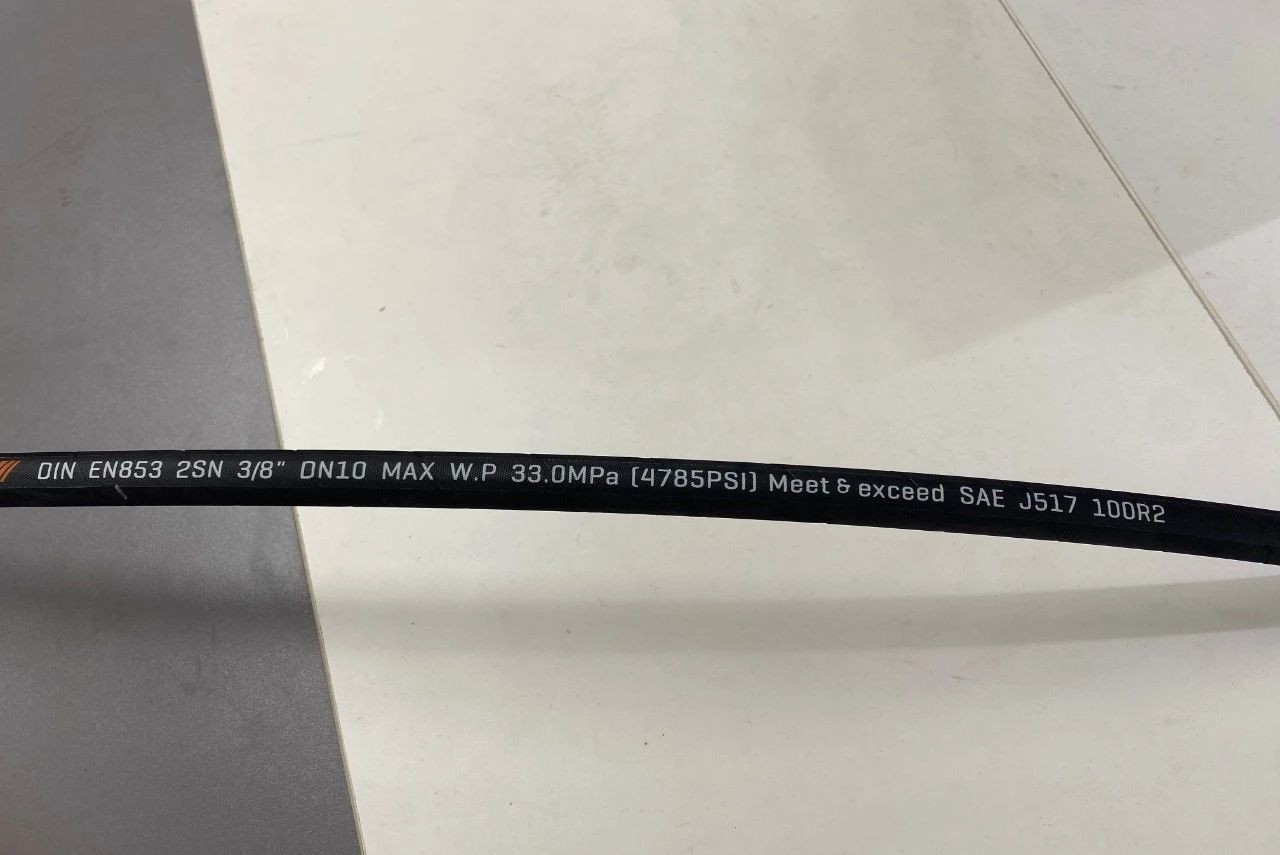
Let’s apply this with a common scenario. Suppose a hose is labeled 2.5 MPa—what’s that in other units?
- To Bar: 2.5 × 10 = 25 Bar. Simple for checking European imports.
- To PSI: 2.5 × 145 = 362.5 PSI. Perfect for North American compliance.
These quick calculations have saved my teams hours on-site. For reverse conversions, divide accordingly—e.g., 500 PSI ÷ 145 ≈ 3.45 MPa.
Expert Memory Tricks to Lock It In
To make these stick, try these mnemonics I’ve shared at industry conferences:
- “1 MPa = 10 Bar” like “1 dozen ≈ 10 bottles” (a slight twist for recall).
- “1 MPa = 145 PSI” as “145 pounds”—evoking a tangible weight.
Bookmark this as your quick-reference guide. For high-precision needs in hydraulics, always cross-check with tools like online calculators or manufacturer specs, but these fundamentals cover most cases.
Trustworthy Advice from a Proven Hydraulic Authority
Building a reliable brand means grounding advice in facts, not fluff. My insights come from real-world expertise, backed by sources like SensorsONE and UnitConverters.net, ensuring you get accurate, actionable knowledge. In an industry where precision matters, count on guides like this to elevate your work.
What units do you encounter most in your hydraulic projects? Drop your conversion tips in the comments—let’s foster a community of experts!
For more hydraulic know-how, explore topics like “preventing hose failures” or “choosing the right hydraulic fluid.” Subscribe to stay ahead.
Note: Conversions are approximate for PSI; use exact values for critical applications.